Where Aman Meets the Mekong: Luang Prabang’s Luxury Hotels, Honestly Reviewed
The Morning Light Through Teak Shutters The cold plunge pool at Amantaka catches the first light at 6:47 AM—I know this because I couldn’t sleep, jet-lagged and restless in Suite 12, watching shadows shift across walls that once sheltered French colonial administrators. Outside my teak shutters, the UNESCO old town of Luang Prabang was stirring […]

The Morning Light Through Teak Shutters
The cold plunge pool at Amantaka catches the first light at 6:47 AM—I know this because I couldn’t sleep, jet-lagged and restless in Suite 12, watching shadows shift across walls that once sheltered French colonial administrators. Outside my teak shutters, the UNESCO old town of Luang Prabang was stirring to life with the soft shuffle of bare feet and the distant chime of temple bells. But inside this hushed garden estate, where 24 suites hide behind frangipani and tamarind trees, silence reigns like a religion.
I’d paid 1,240 dollars for the privilege of this particular morning—the kind of sum that elsewhere buys you marble bathrooms and infinity pools, but here in northern Laos, purchases something rarer: proximity to grace. The Mekong River runs just beyond the garden walls, and saffron-robed monks walk past the entrance gates twice daily, but the real luxury isn’t location. It’s the weight of history in these rooms, the way morning light pools on polished concrete floors, the knowledge that you’re sleeping in the most exclusive address in perhaps Southeast Asia’s most underrated city.
Though I’m getting ahead of myself. Let me tell you about the hotels that made me fall in love with Luang Prabang’s particular brand of accessible luxury—and the one that almost broke my heart.
Where Aman’s Magic Meets Reality
Amantaka occupies the former French hospital compound in the heart of the old town, and from the moment you pass through its gates, you understand why people speak of it in whispers. The main pavilion, all soaring ceilings and weathered teak, feels like stepping into a forgotten film set. Suite interiors blend Lao textiles with that unmistakable Aman aesthetic—spare, sculptural, almost monastic in their restraint.
But here’s what the brochures don’t tell you: the cold pool that gives the place its meditative atmosphere also makes November through February genuinely uncomfortable. I watched guests hover at the pool’s edge, unwilling to admit that 900 dollars a night had bought them a beautiful but unusable amenity. The Aman Spa, tucked into a separate pavilion, offers traditional Lao treatments from 180 to 350 dollars, but the massage rooms lack the polish you expect from the brand that invented ultra-luxury hospitality.
More troubling were the details: bathroom fixtures that showed their age, air conditioning that struggled in the afternoon heat, service that felt more dutiful than intuitive. I love what Amantaka represents—this temple to understated luxury in the middle of a living UNESCO site—but couldn’t shake the feeling it’s trading on the Aman name rather than earning it nightly. At 690 to 1,630 dollars depending on season and suite category, it demands Aman excellence. What it delivers feels more like Aman nostalgia.
The Bensley Vision in the Hills
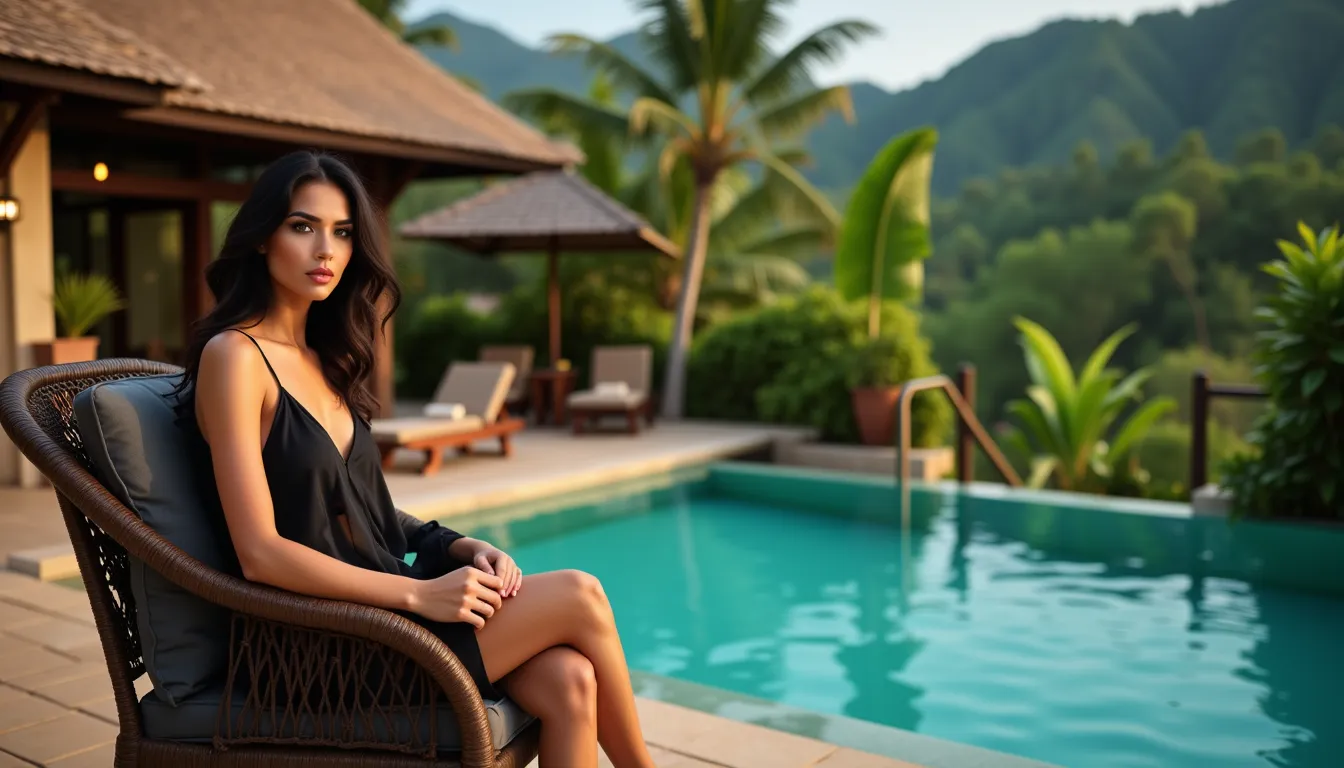
Ten minutes from town center, where the Nam Khan River curves through limestone hills, Bill Bensley has built something that feels less like a hotel than a fever dream of French Indochina. Rosewood Luang Prabang spreads across 12 acres of hillside jungle, its 23 accommodations ranging from riverside luxury villas (935 dollars) to what the resort calls “luxury tents”—though these canvas-walled pavilions with marble bathrooms and private decks (540 dollars) redefine camping entirely.
I stayed in Villa 7, perched above the river with floor-to-ceiling windows that dissolve the boundary between interior and forest. Bensley’s vision here marries Lao tradition with colonial nostalgia—antique maps, hand-forged ironwork, textiles that tell stories of silk routes and river trading. The property’s waterfall, accessible by a short jungle walk, becomes your private swimming hole at dawn when mist rises from the Nam Khan like incense.
But isolation cuts both ways. Those ten minutes from town feel longer when you want to wander the night market or catch the evening alms ceremony. The resort’s shuttle runs every hour until 10 PM, but Rosewood Luang Prabang demands commitment—you’re choosing nature over walkable streets, serenity over spontaneity. For some travelers, that’s exactly the point. For others, it’s 540 to 935 dollars that keeps you slightly outside the magic.
French Elegance at Sofitel Prices
The former Governor’s residence on the main peninsula houses what might be Luang Prabang’s best luxury value. Sofitel Luang Prabang occupies this restored colonial mansion with the kind of French savoir-faire that makes 280 dollars feel like theft. The heated pool—blessed relief after Amantaka’s arctic alternative—overlooks manicured gardens where you can breakfast on pain au chocolat while temple bells echo across the Mekong.
Rooms from 200 to 450 dollars blend modern comforts with period details that feel authentic rather than applied. The Governor’s Restaurant has become a destination in its own right, serving French-Lao fusion that respects both traditions. Location puts you within walking distance of Wat Xieng Thong and the Royal Palace Museum, but far enough from the main tourist drag to maintain dignity.
What strikes me about the Sofitel approach is its honesty—this is luxury hospitality without pretension, comfort without ceremony. The kind of place where you can wear flip-flops to dinner and still feel appropriate, where staff anticipate needs without hovering. It’s not trying to be Aman or Rosewood; it’s trying to be the best version of itself.
The Belmond Question Mark
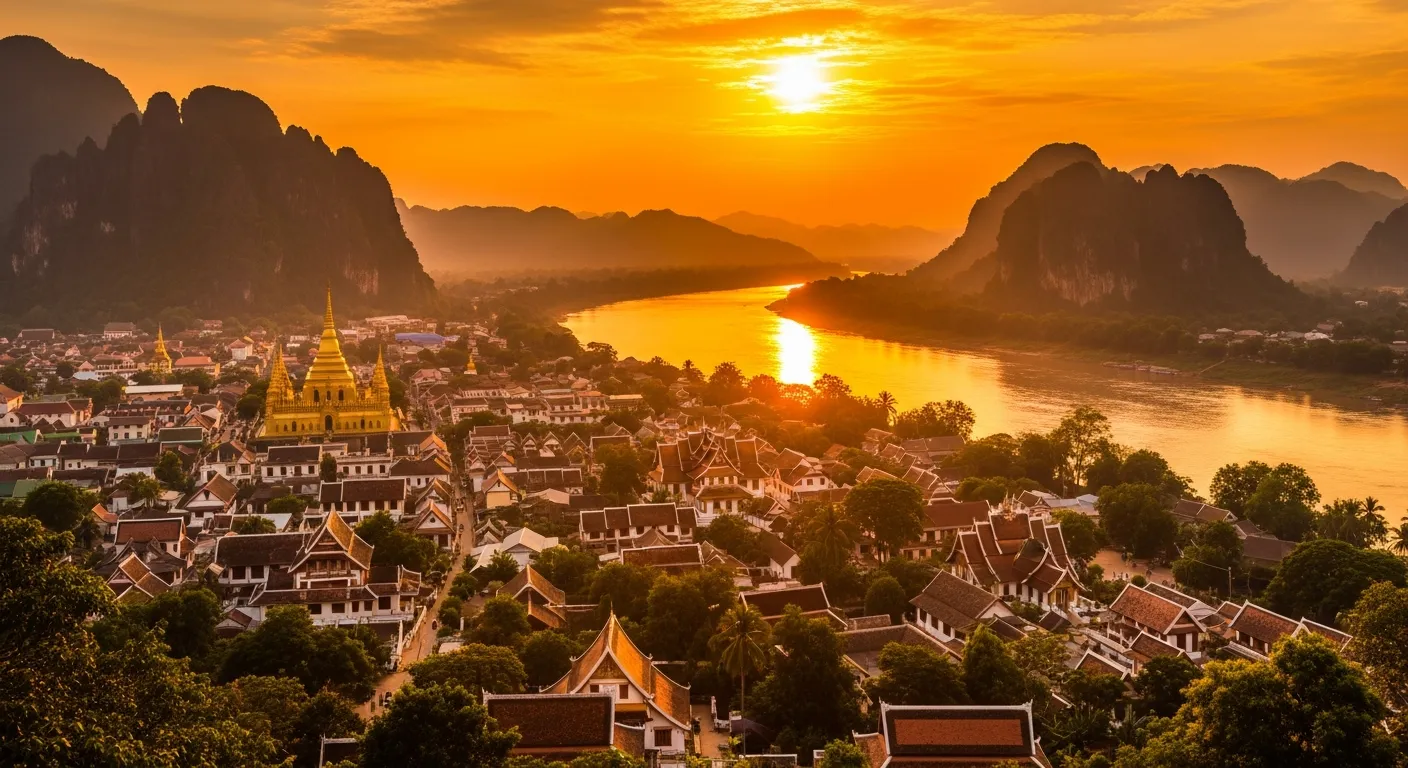
La Residence Phou Vao commands the highest hill in Luang Prabang, its 34 rooms and suites spread across gardens that offer panoramic views of temple spires and river valleys. Until recently, this was Belmond territory—the kind of colonial grandeur the brand has perfected from Myanmar to Peru. Two outdoor pools, an award-winning spa specializing in traditional Lao treatments, and rates from 215 to 400 dollars that made it the obvious choice for luxury-seeking value hunters.
But Belmond sold the property to KS Resorts, and brand transitions in hospitality are delicate affairs. The spa still offers its signature treatments—the four-hand Lao massage remains transcendent at 145 dollars for 90 minutes—and the hilltop setting can’t be diminished by ownership changes. Free airport shuttles and included breakfast sweeten packages that already represented Luang Prabang’s best luxury value.
What remains to be seen is whether KS Resorts can maintain the operational excellence that made Phou Vao special. During my stay, service felt slightly uncertain, as if staff were awaiting new direction. The bones remain magnificent—those views, that spa, the French colonial architecture that photographs like a postcard—but bones don’t guarantee soul.
Heritage Treasures
Sometimes luxury lives in smaller packages. Satri House transforms a 1930s colonial villa into an intimate retreat where 29 rooms from 110 to 216 dollars surround a pool that feels more like a wealthy friend’s backyard than a hotel amenity. The lobby doubles as gallery space for local artists, and breakfast on the covered terrace watching Luang Prabang wake up beats any international chain’s club lounge.
Maison Dalabua, set around lotus ponds that bloom pink each morning, offers 37 rooms from 65 to 160 dollars in a setting that feels like stepping into a Lao folktale. Villa Maly, with its French-Lao fusion architecture and rates starting around 91 dollars, proves that boutique luxury doesn’t require boutique prices.
These heritage properties share something the big brands sometimes miss: they feel rooted in place, not imported from corporate headquarters. When you stay at Satri House, you’re not experiencing international luxury standards adapted for Laos—you’re experiencing Lao hospitality elevated to luxury standards.
The Dining Theater
Paste at The Apsara represents Luang Prabang’s most ambitious culinary statement—90 dollars per person for a tasting menu that deconstructs and rebuilds Lao cuisine with Bangkok Paste restaurant’s molecular precision. It’s dinner as performance, fascinating and occasionally transcendent, though sometimes you crave simplicity over spectacle.
For that, there’s Manda de Laos, where traditional Lao dishes are served beside lotus ponds in a setting so romantic it stays fully booked months ahead. Expect 30 to 50 dollars per person for meals that taste like grandmother’s recipes elevated by perfect technique. L’Elephant, housed in another colonial villa, masters French-Lao fusion with similar prices and a wine list that rivals any in Southeast Asia.
But Tamarind remains my essential recommendation—not just for the restaurant’s encyclopedic approach to Lao cuisine, but for cooking classes that run 27 to 35 dollars and teach you to recognize tamarind from galangal, to balance sour and spicy in proper proportion. Understanding Lao food unlocks understanding Lao culture in ways no temple tour can match.
The Luxury Paradox
Here’s what makes Luang Prabang extraordinary: world-class hotels that would cost three to five times as much in Bangkok or Tokyo, all within walking distance of monks collecting alms, temples older than many European cities, and street food vendors selling bowls of pho for a dollar. The entire UNESCO old town spans perhaps ten blocks—you can walk from Amantaka to the Mekong in five minutes, from any luxury hotel to the night market in ten.
Tuk-tuks charge 2 to 5 dollars for cross-town journeys, most luxury hotels offer complimentary shuttles, and the intimacy of 24-suite properties means you’re never anonymous, never lost in resort sprawl. This is Southeast Asia’s most affordable luxury destination, but more than that—it’s a place where luxury feels earned rather than entitled, where five-star comfort exists in harmony with ancient rhythms.
The morning I watched sunrise from Amantaka’s garden, despite my disappointment with cold pools and aging infrastructure, I understood what draws people back to Luang Prabang again and again. It’s not just the hotels, though some are magnificent. It’s the possibility they represent—that luxury can coexist with authenticity, that comfort doesn’t require cultural compromise, that the most exclusive experiences sometimes happen on foot, walking dusty streets toward the sound of temple bells, while your suite key grows warm in your pocket and the Mekong flows past like time itself, unhurried and eternal.
Worth reading next
More stories worth your time.

The Maldives Question: Is $2,000 a Night Worth It? (An Honest Answer)
I've stayed at four Maldivian resorts across three trips and two budgets. Here's the honest answer to whether those overwater villas are worth what they charge — and what nobody tells you about paradise before you book.

The White Lotus Hotels Are Real. The Experience Isn’t What You Think.
The White Lotus hotels are real, but staying at them now is a different experience than the fantasy the show sells.

St. Regis Bora Bora: Waking Up Above Water Is Not a Spiritual Experience
The brochure for the St. Regis Bora Bora promises a “transformative overwater experience.” The website uses words like “transcendent” and “soul-stirring.” Three different people told me, before I went, that waking up in an overwater villa would “change the way I see the world.” It didn’t change the way I see the world. It changed […]
About Kaira
Explore With Kaira is built for readers who want the atmosphere of a luxury travel magazine without the emptiness of sponsored copy.
About Kaira