Three Days in José Ignacio: Sand Streets, Seven Fires, and the Art of Slowing Down
Sand streets, seven-fire asados, and the art of slowing down. A three-day itinerary for Uruguay’s most understated beach town, from lighthouse sunsets to Garzón winery lunches.

The Village at the End of the Road
The lighthouse keeper hands me the brass key with hands that smell of salt and yerba mate. “Ochenta pesos,” he says quietly, “but arrive forty-five minutes before sunset. The light changes everything.” I climb the spiral stairs as the Atlantic stretches endlessly eastward, and suddenly understand why the world’s most understated millionaires disappear to this forgotten corner of Uruguay every December.
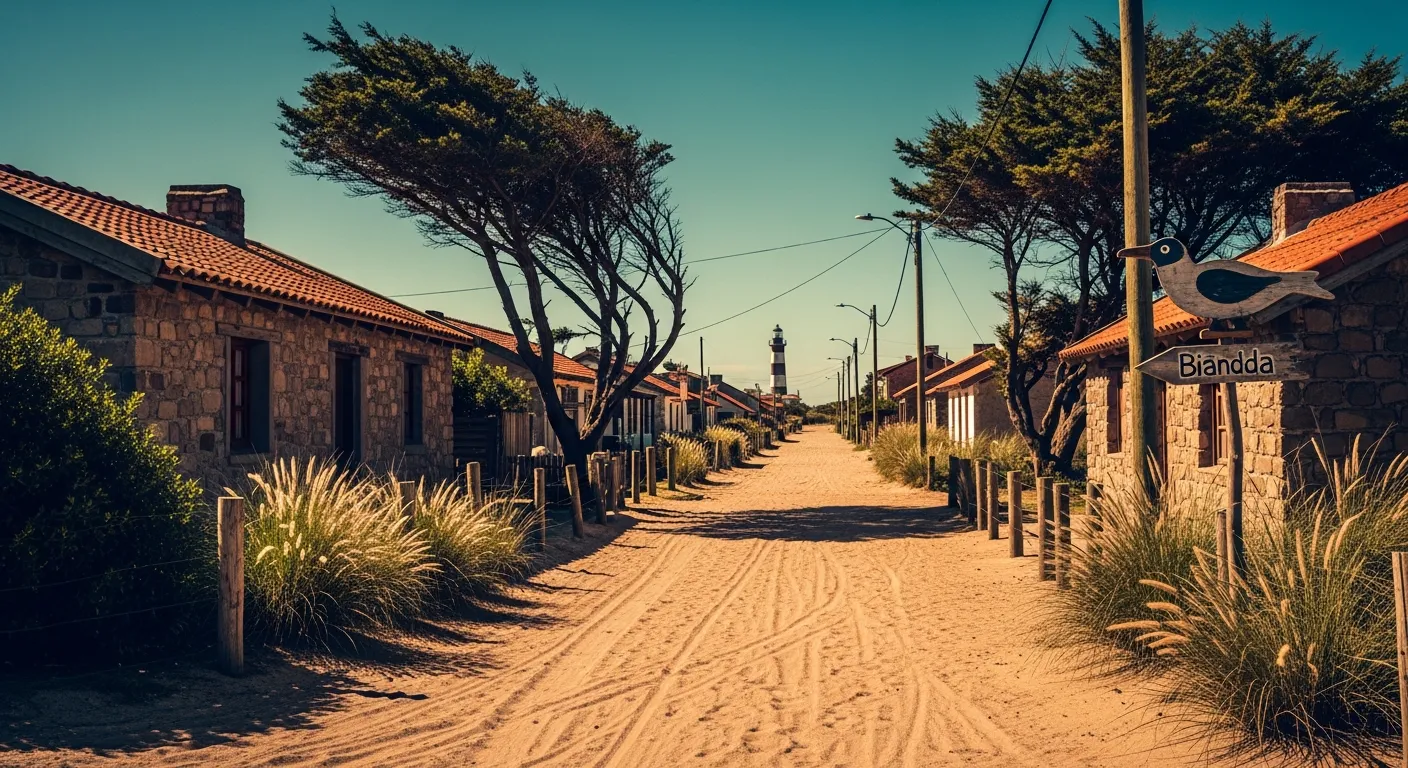
José Ignacio exists in deliberate opposition to everything modern travel has become. No street signs, no addresses, no taxis. Just hand-painted wooden markers naming sandy lanes after local birds—Hornero, Tero, Benteveo—and a village so committed to remaining underdeveloped that they’ve turned unpaved roads into a philosophy. This is where you come to remember that luxury isn’t about what you add; it’s about everything you’re brave enough to leave behind.
Getting There: The Journey as Meditation
The drive from Punta del Este’s airport takes forty-five minutes along Ruta 10, and every mile strips away another layer of the civilized world. Pampas grasses bow in the constant sudestada wind, dunes shift like slow-motion waves, and occasionally a gaucho on horseback appears against the horizon like a figure from another century.
American Airlines runs seasonal directs from Miami to Montevideo during high season—December through March—but most flights route through Buenos Aires. I’ve learned to embrace the EZE connection as part of the ritual, a pause that lets your internal clock adjust to Southern Hemisphere time. Car rental at Punta del Este runs about fifty-one dollars daily, and it’s not optional—José Ignacio has no taxis, no rideshares, no public transport. The village operates on the assumption that if you can’t figure out how to get there, you probably don’t belong.
Private transfers from the airport cost one-fifty to one-ninety, but they rob you of that transformative drive where Uruguay reveals itself slowly, like watercolor bleeding across wet paper. US, UK, and EU passports need no visa for ninety days, no entry fee, just validity for your stay duration. Keep cash handy—the village has exactly two ATMs, both temperamental.
Day One: Learning to Walk Slowly
José Ignacio covers maybe twenty minutes on foot, which means you can walk its entirety in the time most people spend looking for parking. The streets stay deliberately unpaved—not from neglect, but principle. Building codes restrict height and materials, ensuring nothing disrupts the horizon line or the illusion that you’ve stumbled into a place time forgot.
Saturday mornings bring the Feria Artesanal, where local artisans spread woolen textiles and ceramic mate cups on wooden tables. The quality varies wildly—some pieces could hang in galleries, others look like airport souvenirs—but watching the interactions teaches you more about Uruguayan culture than any guidebook. Transactions happen in both pesos and dollars, often simultaneously, with exchange rates negotiated through gentle conversation about the weather and the wind.
The lighthouse becomes your compass point, visible from anywhere in the village. That eighty-peso climb (~$2-3 USD) transforms into meditation as you spiral upward, the Atlantic expanding below like a blue prayer. Arrive forty-five minutes before sunset, not for crowds—there rarely are any—but because the light begins its transformation long before the sun touches water. The keeper usually stays until you’re ready to descend, never rushing, sometimes sharing mate while pointing out whales in the distance.
Dinner means La Huella, and La Huella means planning. Call +598 4486 2279 or use lahuella.meitre.com weeks in advance—not because they’re difficult, but because tables on Playa Brava under string lights with waves crashing twenty feet away represent everything José Ignacio promises to deliver. The cover charge runs about ten dollars, then expect eighty to one-twenty per person for grilled octopus that tastes like ocean smoke and sea bass ceviche that redefines what raw fish can become. Swimsuits are acceptable here, shoes optional. Sand between your toes isn’t just tolerated; it’s evidence you understand the place.
Day Two: Choosing Your Atlantic
José Ignacio offers two entirely different relationships with the ocean, separated by a narrow peninsula. Playa Mansa faces the Río de la Plata—technically river, practically ocean—with calm waters perfect for swimming and reflection. Playa Brava confronts the open Atlantic with waves that crash like punctuation marks and wind that rearranges your hair every thirty seconds.
Most mornings, I choose drama over tranquility and head to Brava, where horses appear like mirages along the beach. Estancia Vik offers horseback riding with gaucho guides on sturdy Criollo horses for about ninety dollars per person. These aren’t trail-ride ponies but working ranch animals that respond to whispered Spanish and seem to understand the landscape better than GPS ever could. The guides speak little English but communicate perfectly through gesture and gentle correction, teaching you to move with the horse rather than against it.
Twenty minutes inland, Pueblo Garzón appears like a mirage of two hundred souls and one extraordinary restaurant. Francis Mallmann’s Restaurante Garzón occupies a restored general store where the chef’s fire-obsessed cuisine transforms local ingredients into something approaching alchemy. The fixed three-course menu runs one-nineteen per person, but reserve twenty-four hours ahead—not because it’s crowded, but because they source everything locally and need time to prepare properly.
Lunch stretches into afternoon as it should in Uruguay, where rushing is considered mildly suspicious. The drive back takes you past Laguna Garzón, where Rafael Viñoly’s circular bridge creates one of those moments when architecture and landscape achieve perfect conversation. The bridge serves no practical purpose except beauty—typical Uruguay logic—and the lagoon below offers kayaking and paddleboarding for those who need activity beyond contemplation.
Evenings return you to the lighthouse or the beach, depending on your relationship with solitude. Sunset drinks happen wherever you happen to be standing when the sky begins its nightly performance. There are no designated viewpoints, no crowds gathering with cameras. Just you, the horizon, and the gradual understanding that some experiences resist documentation.
Day Three: The Deeper Uruguay
Forty-five minutes inland, Bodega Garzón represents Uruguay’s quiet revolution in winemaking. The LEED-certified facility rises from rolling hills like a modernist temple to the Tannat grape, Uruguay’s signature varietal that produces wines with more personality than politeness. The Premium Experience runs about two-ninety per person—sommelier-led tastings paired with gourmet lunch overlooking vineyards that stretch toward Brazil. Book the Reserva Tour if you prefer less formal education, though both require advance planning and operate Wednesday through Sunday only.
Tannat wines taste like Uruguay feels—complex, surprising, with an edge that keeps you interested. The sommeliers speak perfect English but prefer Spanish when describing terroir, as if certain concepts lose meaning in translation. They’re right.
Back at Playa Brava, surf lessons happen through informal networks—ask at your hotel, wander the beach, strike up conversations with locals. The waves suit beginners and experts equally, though the cold Atlantic demands respect and a good wetsuit even in summer. Professional instruction runs about sixty dollars hourly, but often you’ll find yourself learning from other travelers who’ve been coming here for decades.
Final dinners present delicious dilemmas. Marismo operates only during high season, serving braised lamb around bonfires in a pine forest setting that feels designed by fairy tale architects. Expect one hundred to one-ten per person for an experience that blurs the line between restaurant and ritual. Mostrador Santa Teresita offers Fernando Trocca’s genius in casual counter-style service—seasonal, farm-to-table cuisine that changes based on what looked best at market that morning.
The Art of Calculated Underdevelopment
What most people miss about José Ignacio is that its rustic appearance represents conscious choice, not accident. The village could easily support luxury hotels, paved roads, and proper signage. Instead, building codes restrict development, streets remain sandy by design, and the absence of traditional infrastructure becomes the ultimate luxury amenity.
This isn’t poverty tourism—a luxury three-day weekend easily runs two thousand to twenty-five hundred per person excluding flights. Accommodation ranges from six hundred to eighteen hundred per person, dining adds five to six hundred, activities run two-fifty to three-sixty, transport another ninety to one-sixty. But unlike most expensive destinations, the money buys absence rather than abundance: absence of crowds, noise, pressure, performance.
The local currency hovers around thirty-eight to forty-two pesos per dollar, though USD works everywhere that matters. Foreign credit cards trigger automatic 9% VAT deductions at restaurants and car rentals—small consolation for the inevitable foreign transaction fees, but appreciated nonetheless. Visa, MasterCard, and Amex work at upscale venues; cash remains essential for everything else.
What You Leave Behind
The morning of departure, I climb the lighthouse one final time. The keeper nods as if we’ve known each other for years rather than days, and maybe that’s the point. José Ignacio operates on village time, where relationships form through proximity and shared appreciation for wind, sand, and the revolutionary idea that not everything needs to be optimized.
Skip the day trip to Punta del Este—it’s like leaving a private gallery for a shopping mall, all flash and crowd where José Ignacio offers depth and space. Skip guided group tours, rushed itineraries, and the desperate attempt to see everything. The village’s entire appeal rests on giving you permission to see less but feel more.
Pack linen everything, leather sandals or bare feet, and leave logos at home. The aesthetic here is bohemian-chic barefoot luxury, where the richest people wear the simplest clothes and nobody cares about status because there’s nothing to prove. Cashmere layers help with evening winds, but sand between your toes is not just acceptable—it’s evidence you understand what you’ve found.
December through February brings peak season heat and hardest reservations. November and March offer the best value-to-experience ratio, while April through October sees most places close entirely. The famous sudestada wind blows fifteen to twenty knots constantly, defining the village’s character more than any architecture or amenity ever could.
Three days later, back in whatever city claims you, you’ll find yourself craving that wind, that sand, that lighthouse keeper’s quiet wisdom about timing and light. José Ignacio doesn’t just give you a vacation; it gives you a different way of measuring time, success, and the radical luxury of enough.
Worth reading next
More stories worth your time.

Where to Stay in Tokyo: A Luxury Neighborhood Guide
An honest guide to where to stay in Tokyo, with the neighborhoods, hotel styles, and tradeoffs that matter before you book.

The Winter Alps: Where Luxury Means Wood Fires, Not Gold Leaf
Four Alpine towns, four different ideas of what winter luxury means. From Zermatt's car-free quiet to Courchevel's fur-coat chaos, a guide to the Alps for people who care about the fire in the lobby.

Where to Eat in Tokyo: A Guide for People Who Take Food Personally
Two weeks in Tokyo, eating three meals a day plus snacks, convenience store runs at midnight, and one life-altering omakase. A neighborhood-by-neighborhood guide for people who consider food a personality trait.
About Kaira
Explore With Kaira is built for readers who want the atmosphere of a luxury travel magazine without the emptiness of sponsored copy.
About Kaira