The Brando, Tetiaroa: What $4,000 a Night Actually Buys on Marlon Brando’s Private Island
Thirty-five villas on a private atoll in French Polynesia, LEED Platinum sustainability credentials, manta rays at dawn, and a price tag that makes you question everything you know about value. The Brando is either the most justified splurge in luxury travel or the most beautiful way to overspend. After four nights, I’m still not sure — and that uncertainty is the most honest thing I can offer.
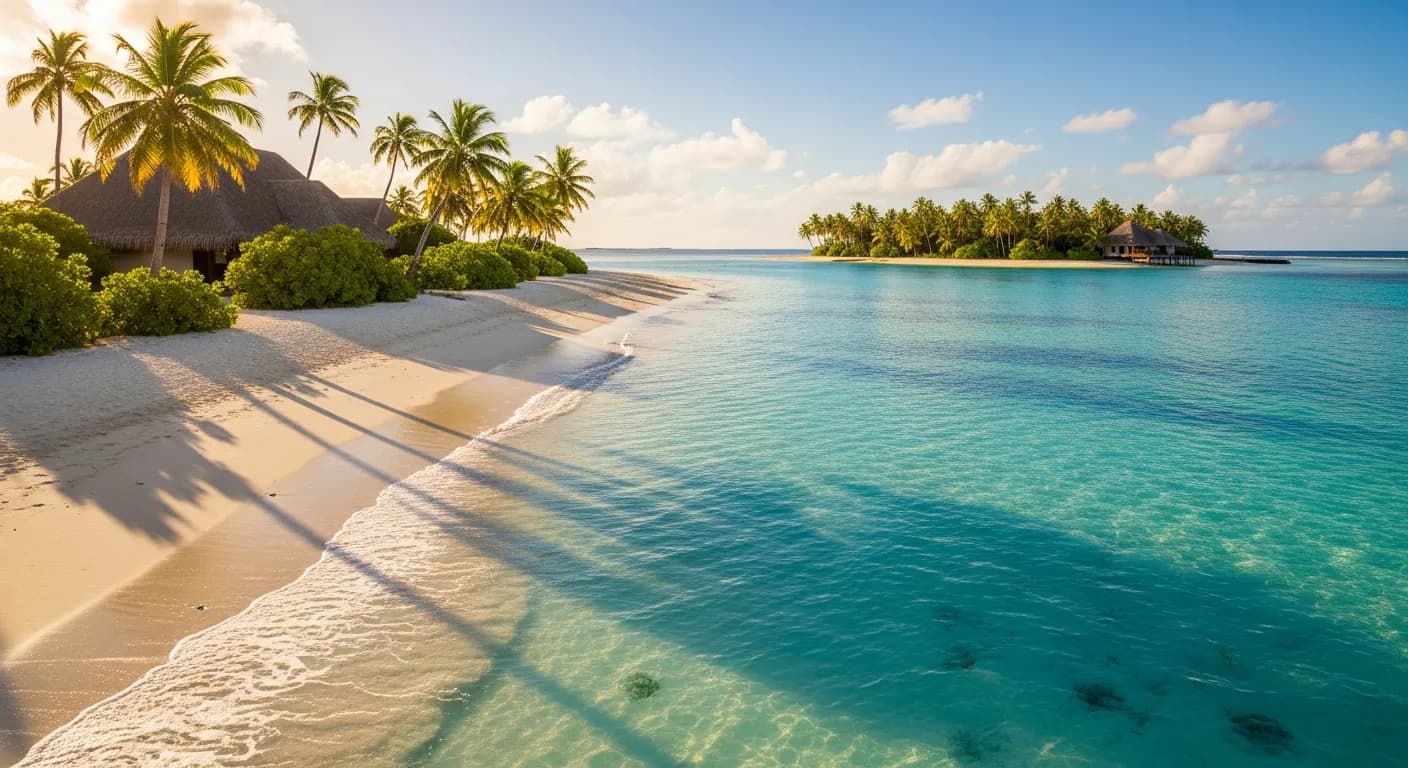
The Twin Otter banked left over Tetiaroa and I pressed my forehead against the scratched plexiglass window like a child who’d never seen water before. Twenty minutes out of Papeete, the Pacific had gone from deep navy to something the colour of backlit jade, and now twelve motus — low, palm-fringed islands barely taller than the surf — circled a lagoon so still it looked poured. The pilot said something in French I didn’t catch, and then we were descending toward an airstrip that appeared to be made of crushed coral and conviction.
The flight is included in your room rate, which is the kind of sentence that only makes sense when the room rate starts at $3,400 a night.
The Arrival
Marlon Brando bought Tetiaroa in 1967 after filming Mutiny on the Bounty in Tahiti, and the story goes that he fell in love with the atoll’s stillness — thirty miles north of Tahiti, no permanent population, nothing but lagoon and reef and the kind of quiet that rearranges your nervous system. He spent decades trying to build something here that wouldn’t destroy the thing he loved about it. He died in 2004 without seeing it finished. The Brando opened exactly ten years later, on July 1, 2014, built by Richard Bailey’s Pacific Beachcomber company according to the express wishes Brando left behind: that whatever was built on Tetiaroa would be a model of sustainability, not a monument to wealth.
Whether the finished product honours that wish depends on how you define sustainability. More on that later. What I can tell you about the arrival is this: a woman in a white pareo placed a crown of tiare flowers on my head, a man pressed a cold glass of something that tasted like coconut and lime and sunlight into my hand, and a golf cart drove me down a path through pandanus trees to a villa where the door was already open and the plunge pool was already filled and the Indian Ocean — no, the Pacific, I kept forgetting — was fifteen steps from the bed. The transition from airport to paradise took less than an hour, and most of that hour was the flight.
The Room
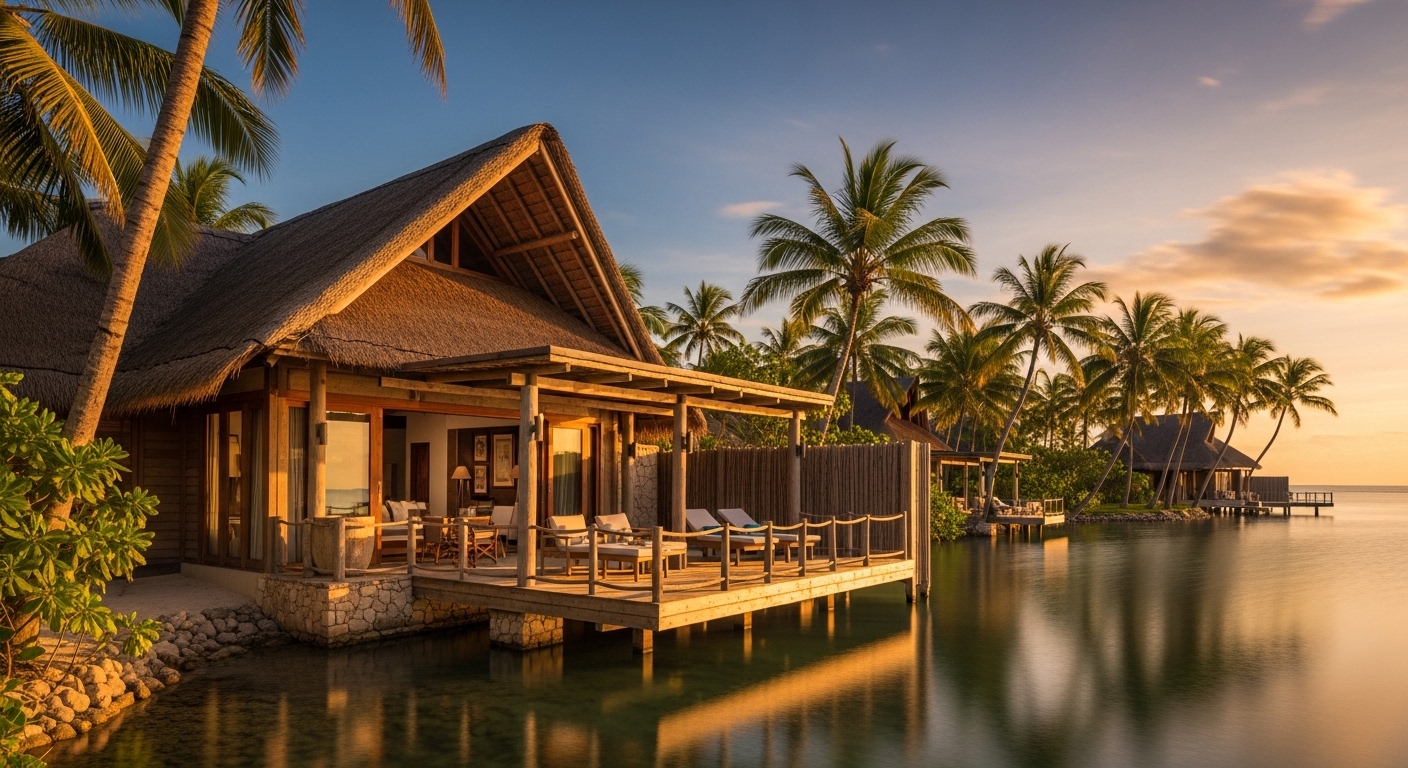
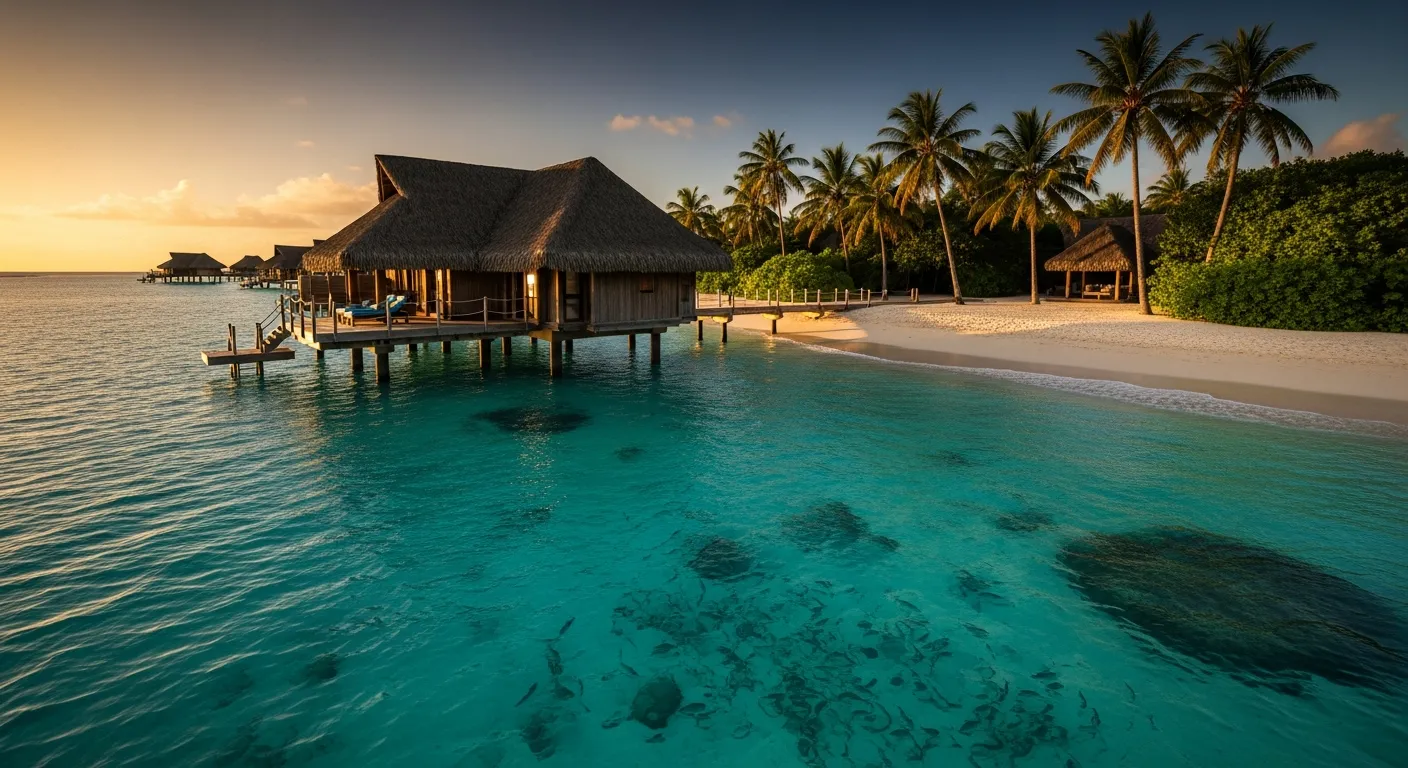
The one-bedroom villa runs up to 1,200 square feet, which is generous but not obscene. What earns the price is the architecture — Polynesian-influenced, open-aired, built from local materials with the kind of restraint that lets the setting do the work. Polished concrete floors. A vaulted ceiling of woven pandanus. Sliding glass walls that open the living space to the beach so completely that the boundary between indoors and outdoors becomes a philosophical question. The private plunge pool sits on a deck facing the lagoon, and the outdoor shower is surrounded by tropical plantings dense enough that you feel hidden without feeling enclosed.
The bed is excellent — I say this because at $3,400 a night you’d be surprised how many luxury hotels treat the mattress as an afterthought. Deep soaking tub in the spa bathroom. A media room with a screen and sound system, which exists because the villas have no televisions, by design. Brando’s vision, apparently, was that if you needed a screen you could seek one out, but it shouldn’t be the first thing you see when you wake up on an atoll in the middle of the Pacific. There’s a cinema on the property for those who need their fix. I didn’t visit it once.
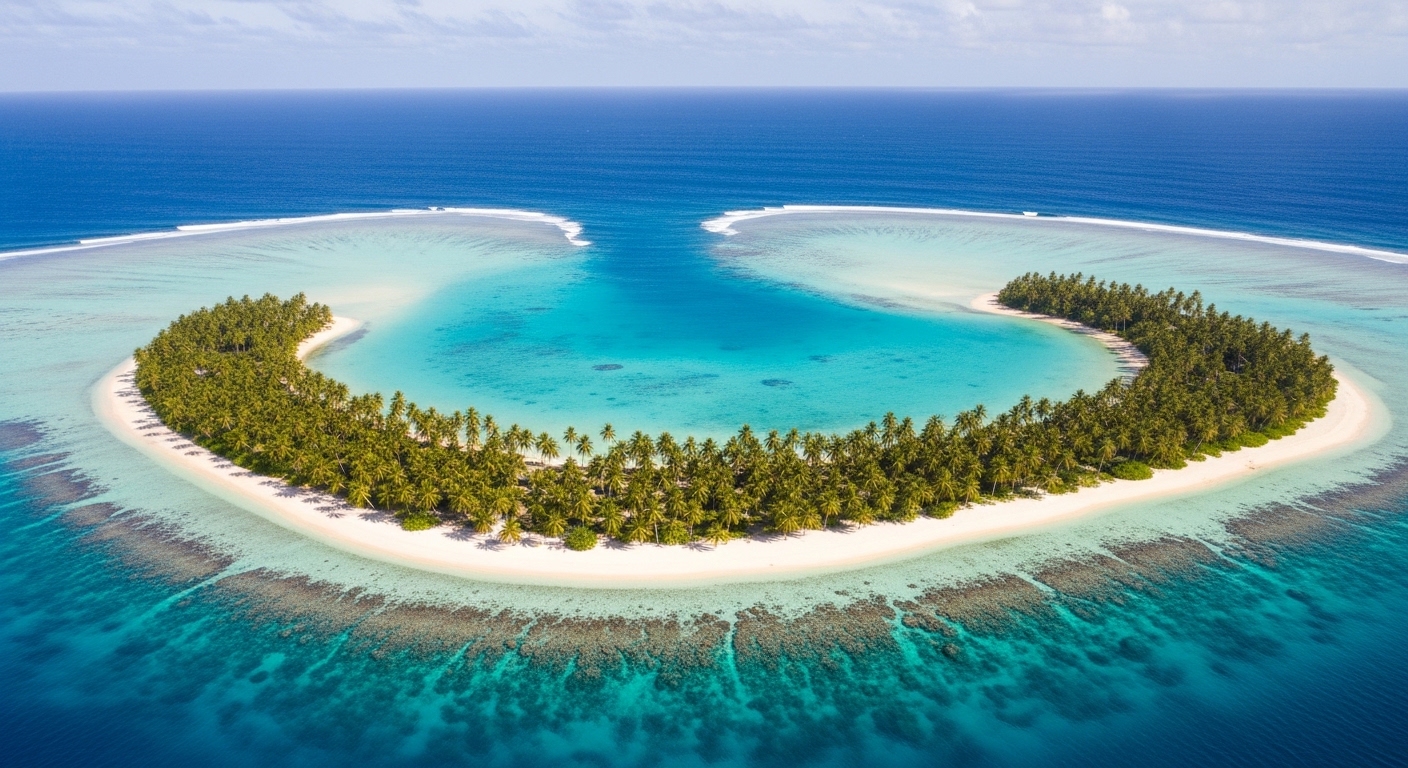
What’s missing: a sense of extravagance. The villa is beautiful, thoughtfully designed, supremely comfortable — but it doesn’t perform wealth the way a Four Seasons overwater bungalow or an Aman pavilion does. No gold fixtures, no marble countertops, no butler waiting at the door with a memorised dossier of your preferences. This is either refreshing or disappointing depending on what you’re spending $3,400 to feel. I found it refreshing. My partner found it slightly austere for the price. We were both right. The two-bedroom villas are available for families, and the three-bedroom Terrace Villa climbs to $14,000 a night in peak season, which puts you in a category where comparison shopping includes private islands in the Seychelles.
The Dining
Les Mutinés
The fine dining restaurant is named after the mutineers, which is either a charming nod to the island’s cinematic history or an unintentional metaphor for what happens to your expectations. Guy Martin, the Michelin-starred Parisian chef, consults on the menu — and the word “consults” is doing heavy lifting in that sentence, because consulting and cooking are different verbs.
On the first night, the poisson cru was transcendent — raw tuna in coconut milk with lime and vanilla that tasted like the ocean had been edited by someone who understood restraint. The mahi-mahi with beurre blanc and breadfruit purée was technically flawless, the kind of dish that makes you close your eyes because looking at other things while eating it feels like multitasking. The wine list is French-heavy and priced accordingly — expect $80-150 for a bottle that would cost half that in Paris, which is the island surcharge you accept or you don’t.
On the third night, the same restaurant served a lobster that was overcooked and a dessert that tasted like it had been assembled rather than created. The service was warm but unfocused — our server disappeared for twenty minutes during the cheese course, and when she returned she’d forgotten which of us had ordered the Comté. At a restaurant where a dinner for two runs $300-400 before wine, consistency isn’t a bonus. It’s the contract. Les Mutinés breaks that contract often enough that longtime guests mention it unprompted. The breakfast chef, by contrast, was flawless every morning — the eggs Polynesian with smoked fish and taro were worth waking up for, which on an island this quiet is saying something.
Beachcomber Café and Nami
The Beachcomber Café handles all-day casual dining, and it’s here that the kitchen finds its footing. Grilled fish, salads built from the on-site organic garden, fresh fruit that tastes like a different species from whatever you buy at home. The atmosphere is barefoot and unhurried and exactly what lunch on a private island should feel like. Nami, the Japanese restaurant, is the surprise — clean, precise, and better than the fine dining option on the nights when Les Mutinés fumbles. The sashimi platter uses fish that was in the lagoon that morning, and the omakase-style dinner, when available, is the best meal on the island by a comfortable margin. If I returned, I’d eat at Nami every night and visit Les Mutinés only when someone I trusted told me the kitchen was having a good evening.

The Lagoon
Everything else I’ve described — the villa, the dining, the architecture, the Brando mythology — is context for the lagoon. The lagoon is the reason.
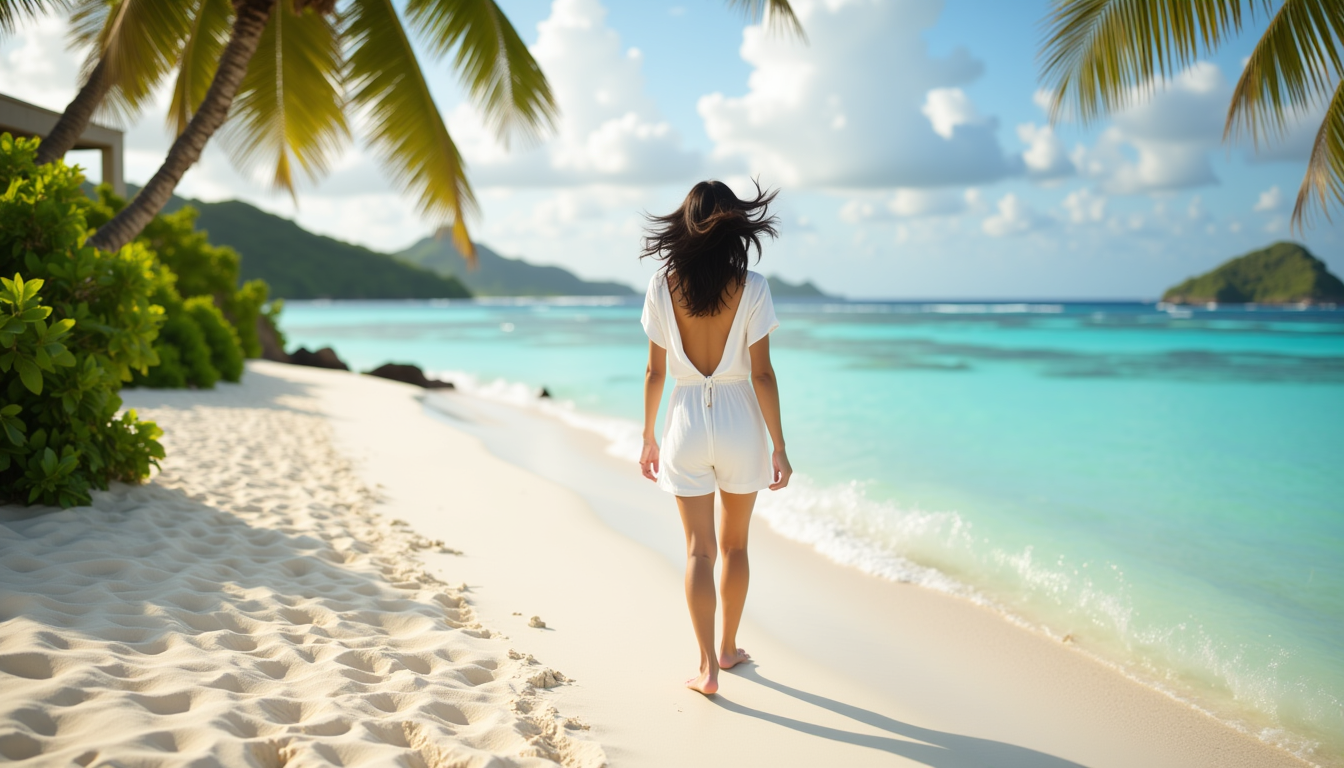
Tetiaroa’s lagoon is protected, shallow in places, deep in others, and so clear that from a paddleboard you can watch blacktip reef sharks cruising below you like commuters who happen to have fins. The water is warm year-round — bathtub warm, the kind of warm that makes you forget water can be cold — and the colour shifts through the day from pale jade to deep turquoise to something at sunset that I’d call rose gold if that phrase hadn’t been ruined by Apple.
I snorkelled twice a day for four days. The reef system between the motus is dense and healthy — hard corals, soft corals, parrotfish the colour of children’s drawings, and sea turtles so accustomed to human presence that they don’t bother adjusting their course when you swim alongside them. Green sea turtles nest on the beaches here, and during nesting season you can watch them come ashore at night with a guide from the Tetiaroa Society, though the experience is managed with the kind of scientific rigour that distinguishes conservation from entertainment.
The manta rays are the memory I’ll keep longest. They feed in the channels between motus at dawn and dusk, and the hotel arranges boat trips timed to the tides. We motored to a channel on the second morning, slipped into the water, and within minutes a manta with a wingspan wider than I am tall glided beneath us — silent, ancient, moving with the effortless grace of something that has never needed to hurry. Three more followed. They barrel-rolled through clouds of plankton, mouths open, wing tips breaking the surface, and I floated face-down in the Pacific watching them and forgot, for a period I cannot accurately measure, every single thing I’d ever been anxious about.
The Tetiaroa Society
This is what separates The Brando from every other private island resort, and it’s the part most reviews underplay because it doesn’t photograph well.
Marlon Brando’s real vision for Tetiaroa wasn’t a hotel. It was a research station. The Tetiaroa Society operates an ecostation on the atoll in partnership with the Smithsonian and National Geographic, and the scientists who work there — marine biologists, ornithologists, turtle researchers, coral specialists — are not props for the guests. They are conducting real research, publishing real papers, and the hotel’s existence funds their work. Guests can join research expeditions — tagging turtles, surveying reef health, counting seabird populations on uninhabited motus — and these excursions are, without qualification, the most valuable thing The Brando offers.
I spent a morning with a marine biologist named Teva who was studying the manta ray population’s feeding patterns. He explained the lagoon’s ecosystem with the patient specificity of someone who has spent years watching a single place, and by the end of the morning I understood Tetiaroa differently — not as a backdrop for vacation photographs but as a functioning ecology that the hotel sits inside, carefully, like a guest in someone else’s house. Whether Brando would have approved of a $4,000-a-night hotel funding his research station is a question I can’t answer. But the research is real, and its presence changes the texture of the stay in ways that are difficult to quantify and impossible to ignore.
The Activities Beyond the Lagoon
Stand-up paddleboarding across the lagoon at seven in the morning, when the water is glass and the light is gold and the only sound is your paddle entering the surface. Kayaking to uninhabited motus for private picnics that the hotel packs in woven baskets with chilled rosé and the kind of sandwiches that taste better when you’re eating them on a beach that has no name. Polynesian cultural experiences — traditional dance, weaving, the history and ritual of Polynesian tattooing explained by practitioners, not performers.
Stargazing on Tetiaroa is world-class by default. No light pollution. No buildings taller than the palms. The Milky Way doesn’t appear gradually the way it does on most dark-sky sites — it’s just there, immediately, a smear of light so dense it looks like someone spilled something across the sky. The hotel provides telescopes and a guide who knows the Polynesian star navigation stories, which are better than any Greek mythology I learned in school because they were used to actually cross oceans.
The Varua Spa offers overwater treatment rooms and Polynesian-inspired bodywork — the traditional Taurumi massage uses long, deep strokes with monoi oil and is simultaneously the most relaxing and most physically demanding massage I’ve experienced. It felt like being gently taken apart and reassembled by someone who understood the blueprint better than I did.
The honest caveat: by day four, I felt the island’s size. Tetiaroa is small. The Brando occupies one motu. You can walk its perimeter in thirty minutes. The lagoon is vast, but the land is not, and if you’re someone who needs variety — new restaurants, new streets, the option of wandering somewhere unplanned — this is not your place. The WiFi is adequate, not excellent. There is no nightlife. There are no off-property dining options because there is no off-property. The isolation that feels like freedom on day one can feel like confinement by day five. Three nights is the sweet spot. Four is luxurious. Five is pushing it unless you’re the kind of person who can read the same book twice and notice different things.
The Sustainability Question
The Brando was the first resort in the world to receive LEED Platinum certification, and the infrastructure behind that certification is genuinely impressive. The Sea Water Air Conditioning system — SWAC — pumps cold seawater from 3,000 feet below the ocean surface through a heat exchange system that cools the villas without conventional air conditioning. Over 4,000 solar panels provide the majority of the electricity. A coconut oil biofuel generator handles the rest. The organic garden supplies the restaurants. Greywater is recycled. The construction used local materials wherever possible.
Is it greenwashing? Not exactly. The environmental engineering is real, expensive, and functional — this isn’t a hotel that slapped a “we skip towel washing” card in the bathroom and called it sustainability. But the carbon footprint of flying guests from around the world to a private island in the South Pacific, feeding them imported French wine and Wagyu beef, and charging them $4,000 a night for the privilege of feeling environmentally virtuous is a contradiction that no amount of solar panels fully resolves. The Brando is a sustainable building on an unsustainable premise, and it knows this, and the Tetiaroa Society’s research work is partly — I think — an attempt to reconcile the contradiction. Fund the science, justify the indulgence. It’s an imperfect bargain, but it’s a more honest one than most luxury hotels offer.
The Verdict
A realistic three-night stay for two — including the charter flights from Papeete, meals, activities, and a spa treatment or two — runs $16,000 to $20,000. That’s not a rounding error. That’s a number that demands justification, and the justification can’t just be “it’s beautiful,” because beauty at this price point is table stakes.
What justifies The Brando is specificity. This is not a generic private island with a generic lagoon and a generic spa. This is Tetiaroa — Brando’s island, a functioning research atoll, a place where the manta rays have been studied long enough that the biologists know them by name. The sustainability story, imperfect as it is, means the infrastructure has been thought about with a rigour that most luxury hotels apply only to the thread count. The lagoon is one of the most pristine marine environments I’ve ever entered. And the absence of performance — no TVs, no butler theatrics, no gold leaf on the dessert — creates a quiet that is either the point or the problem, depending on who you are.
Book The Brando if you want stillness, not stimulation. If the lagoon and the research and the silence are enough — more than enough, actually, because the lagoon alone could sustain a week — then nothing else in luxury hospitality competes. Skip it if you need culinary consistency at this price point, if isolation makes you restless after forty-eight hours, or if you’d rather spend $20,000 on a Mediterranean villa with a town to walk to and restaurants that didn’t arrive on a supply boat. Soneva Fushi in the Maldives offers a more reliable food program. North Island in the Seychelles offers more exclusivity with just eleven villas. Neither of them has what Tetiaroa has, which is the sense that you’re visiting a place that matters for reasons that have nothing to do with you.
May through October is the dry season and the window to book. Visa-free for US, UK, and EU passport holders — French Polynesia makes entry effortless.
The Bottom Line
The Brando charges $4,000 a night and earns about $3,200 of it — the lagoon and the science are priceless, the food and the isolation tax are real, and the difference between what it costs and what it’s worth is the price of sleeping on Marlon Brando’s private island, which is either worth everything or nothing depending on how you carry a story.
Worth reading next
More stories worth your time.

The Maldives Question: Is $2,000 a Night Worth It? (An Honest Answer)
I've stayed at four Maldivian resorts across three trips and two budgets. Here's the honest answer to whether those overwater villas are worth what they charge — and what nobody tells you about paradise before you book.

The White Lotus Hotels Are Real. The Experience Isn’t What You Think.
The White Lotus hotels are real, but staying at them now is a different experience than the fantasy the show sells.

St. Regis Bora Bora: Waking Up Above Water Is Not a Spiritual Experience
The brochure for the St. Regis Bora Bora promises a “transformative overwater experience.” The website uses words like “transcendent” and “soul-stirring.” Three different people told me, before I went, that waking up in an overwater villa would “change the way I see the world.” It didn’t change the way I see the world. It changed […]
About Kaira
Explore With Kaira is built for readers who want the atmosphere of a luxury travel magazine without the emptiness of sponsored copy.
About Kaira